
How to Troll for Kokanee and Trout Without Downriggers
- alexosen
- May 15
- 7 min read
In This Update
How to Troll for Kokanee Without Downriggers
Learn to Fish Day – May 30 at Napa Sea Ranch
Catch of the Month Contest - Win a $30 gift card!
How to Troll for Kokanee Without Downriggers
Downriggers are one of the most precise ways to target kokanee, but they are not the only way.
If you are fishing from a smaller boat, just getting started, or simply want to run an extra rod without stacking downriggers, a sliding weight setup can be a simple and effective way to get your kokanee gear into the strike zone.
In this setup breakdown, we worked through a no-downrigger kokanee rig with Tom Hester of Poulsen Cascade Tackle, focusing on a Free Slide, kokanee bumper, Aero Flash Dodger, and Twirly Gig.
The goal is simple: create a clean trolling presentation that gets down, avoids tangles, keeps the dodger working correctly, and still lets the fish fight without using the weight as leverage.
The Concept Behind the Rig
A no-downrigger kokanee setup has to solve three problems.
It needs a way to attach weight so the rig can reach fish holding below the surface.
It needs to keep that weight from interfering with the action of the dodger.
It needs to reduce line twist from all the spinning and kicking happening behind the boat.
That is where the Free Slide and bumper system comes in.
Instead of tying your weight directly into the rig, you slide the Free Slide onto your main line, then tie your main line to the bead-chain end of the bumper. The weight clips to the Free Slide, while the dodger and lure trail behind the bumper.
The result is a trolling rig where the weight helps you get down, but the dodger and lure can still work naturally.
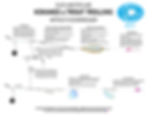
Full Rig Order
Here is the rig from rod tip to lure:
Quick setup summary
• Main line → Free Slide → bead-chain swivel → kokanee bumper → Aero Flash Dodger → short leader → Twirly Gig or similar kokanee lure → corn or bait-tipped hooks
Why Not Just Use a Cheap Slider?
A basic sliding sinker clip may hold weight, but the Free Slide adds a few important advantages.
It helps spread the weight away from the main line, which can reduce fouling while fighting fish or retrieving the rig. It also interfaces with the bead-chain swivel in a way that helps stop line spin from transferring back up the main line.
That matters because kokanee setups create a lot of movement. Dodgers kick. Lures spin. Leaders twist. Without the right connection points, that energy can travel up the line and make a mess.
The Free Slide helps keep the system cleaner.
The Role of the Bumper
The bumper is not just an extra piece of hardware. Its job is to separate the sliding weight from the dodger.
If the weight is too close to the dodger, it can kill the dodger’s action. The bumper gives the dodger room to swing, kick, and work the lure behind it.
In this video, we used an 18-inch bumper. Anglers also use longer bumpers, such as 24-inch or 36-inch versions, depending on how much freedom they want the dodger to have.
A longer bumper may allow a freer dodger action, while a shorter one keeps the rig more compact. There is some personal preference here, but the important point is that the bumper keeps the weight from crowding the dodger.
Dodger Action Is the Engine
A good kokanee dodger is not just there for flash. It creates action.
The Aero Flash Dodger discussed in the video has a strong kick even at slow trolling speeds. Tom described it as a dodger that will work at very slow speeds, which makes it ideal for kokanee presentations around 1.0 to 1.2 mph.
That slower speed is important because many kokanee anglers tend to think in terms of 1.5 to 2.0 mph, especially if they have had success at those speeds. But some dodgers are designed to work slower, and the only way to know is to watch the action or test it on the water.
With this style of dodger, slow can be powerful.
Leader Length: Shorter Than You Think
One of the most useful lessons from the video is leader length.
For a Twirly Gig behind an Aero Flash Dodger, Tom likes the leader at about one foot or shorter. Some anglers may run as short as eight inches.
That may feel short if you are used to longer kokanee leaders, but there is a reason for it.
The dodger is supposed to kick the lure. If the leader is too long, the lure may still spin, but it may lose some of that side-to-side movement from the dodger.
A short leader lets the Twirly Gig spin while also getting pushed and kicked by the dodger. That combination of flash, spin, and erratic motion is what makes the presentation attractive.
Starting Point for Spring Kokanee
For spring conditions where kokanee are roughly 20 to 40 feet deep, Tom suggested this starting point:
1-ounce cannonball weight
1.0 to 1.2 mph trolling speed
75 to 80 feet of setback
That is not a universal rule. It is a starting point.
Your actual depth will depend on line diameter, boat speed, current, weight size, and how far back you run the rig. But it gives you a simple place to begin before making adjustments.
If you are not getting bit, change one variable at a time. Add setback. Change speed. Adjust lure color. Try a different dodger. But do not change five things at once or you will not know what mattered.
Why a Line-Counter Reel Helps
With this setup, repeatability is everything.
If you get bit at 82 feet back, you want to be able to send the rig back to 82 feet again. Counting pulls by hand can work, but a line-counter reel makes the process much cleaner.
A line-counter does not magically catch fish, but it helps you repeat what worked. That is a major advantage in kokanee trolling, where a 10-foot difference in setback can sometimes matter.
Bait and Scent Tips
Tom shared a small but useful bait tip: when tipping your hooks with corn, place the open end of the corn kernel facing toward the fish. The idea is that the corn releases scent better that way.
He also warned against putting scent directly on the dodger. Some scents can damage the finish or clear coat, especially if they have a petroleum base.
The safer move is to scent your bait, not your painted or plated hardware.
When to Use a Lake Troll Instead
The Aero Flash Dodger setup is great when you want the dodger to impart action to the lure. But there are times when a lake troll may make more sense.
A lake troll is more of an attractor. It flashes, rotates, and creates vibration, but it does not kick the lure in the same way a dodger does. Because of that, you can usually run a longer leader behind a lake troll.
Tom mentioned the Cousin Carl Lake Troll as a good alternative, especially when you are open to catching both kokanee and trout.
That is an important distinction. If you are strictly targeting kokanee, the short-leader dodger setup may be the better choice. If you are trolling mixed water and would be happy with trout too, a lake troll with a longer leader and even a piece of worm can be a very effective option.
Final Rig Summary
To troll for kokanee without downriggers, start simple:
Run your main line through a Free Slide, tie to the bead-chain end of a kokanee bumper, clip on your dodger, run a short leader to your Twirly Gig, tip the hooks with corn, and clip a cannonball weight to the Free Slide.
Start with a 1-ounce weight, troll around 1.0 to 1.2 mph, and send the rig back 75 to 80 feet.
From there, let the fish tell you what to change.
Kokanee fishing can get complicated quickly, but this setup keeps the foundation simple: get down, keep the dodger working, reduce line twist, and repeat the numbers when you get bit.
Learn to Fish Day – May 30th at Napa Sea Ranch

We’re excited to host our upcoming Learn to Fish Day on May 30 at Napa Sea Ranch.
This beginner-friendly event is designed for families, first-time anglers, and anyone wanting hands-on experience learning the basics of fishing in a relaxed environment.
Event Information
Date: May 30, 2026
Time: 9:00 AM – 2:00 PM
Location: Napa Sea Ranch
Cost: Free registration
Capacity: Limited to 40 participants
What Participants Will Learn
Guests will rotate through three instructional stations:
Striper bank fishing rig setup
Baiting techniques and fishing fundamentals
Casting instruction and practice
After completing the stations, participants will head down to the riverbank to fish for striped bass.
Included With Registration
Hands-on instruction
Free bait
Help rigging personal equipment
Optional rod and reel rentals available onsite
Additional Notes
Napa Sea Ranch charges a $5 adult access fee
Kids enter free
This event is proudly sponsored by Napa Fishing Club and Sweeney’s Sports, with the goal of introducing more people to fishing and building confidence outdoors.
Registration is free, but spots are limited—sign up early.
Catch Of The Month Contest - Win a $30 gift card!
Show us your most impressive fishing moment by tagging @sweeneys_sports in your Instagram post or story. The grand prize? A $30 gift card and a feature on our social networks! 🏅.
If you’d like to participate, it’s simple:
Share a photo of your catch to your Instagram stories
Tag @sweeneys_sports
Each entry gives you a chance to be featured and win a $30 gift card.
A big thank you to everyone who submitted this month - we truly appreciate your participation and can’t wait to see what you reel in next. Keep the photos coming! 🎣

Think you’ve got the next winning catch?
📸 Submit your photo and join us for May’s Catch of the Month!
See you on the water. Catch Happy.
🎣 Got a question or photo of your best catch? Tag us @CatchHappy - we love seeing and sharing your success stories.
Follow Us
 |  |  |
